Emergency Operations: 24/7 GTA Dispatch
(647) 277-6993

Priority Hub // Subsidy Eligible Up to $1,600 Per Backwater Valve

Backwater Valve Installation in Toronto, ON | Mainline Sewer Protection, Permit & City Subsidy Coordination

By The Basement Flood Toronto Crew

Backwater valve installation in Toronto is the placement of a normally open mainline valve on your sanitary sewer lateral to stop city sewer surcharge from backing up into the basement, priced $2,500-$5,000 CAD and eligible for up to $1,600 per backwater valve under the Toronto Basement Flooding Protection Subsidy Program.

If sewage has come up your floor drain once, the pipe that carried it is still there, waiting for the next big storm. A mainline backwater valve closes that path. The Basement Flood Toronto crew cameras the line first, pulls the permit, installs the valve and books the city inspection before the floor goes back.

  • 18 Years GTA Basement Flood Response
  • IICRC WRT, ASD, AMRT, CDS Certified
  • 24/7 Dispatch, 90-Minute Response
  • Insurance Direct-Billing, Subject to Policy Limits
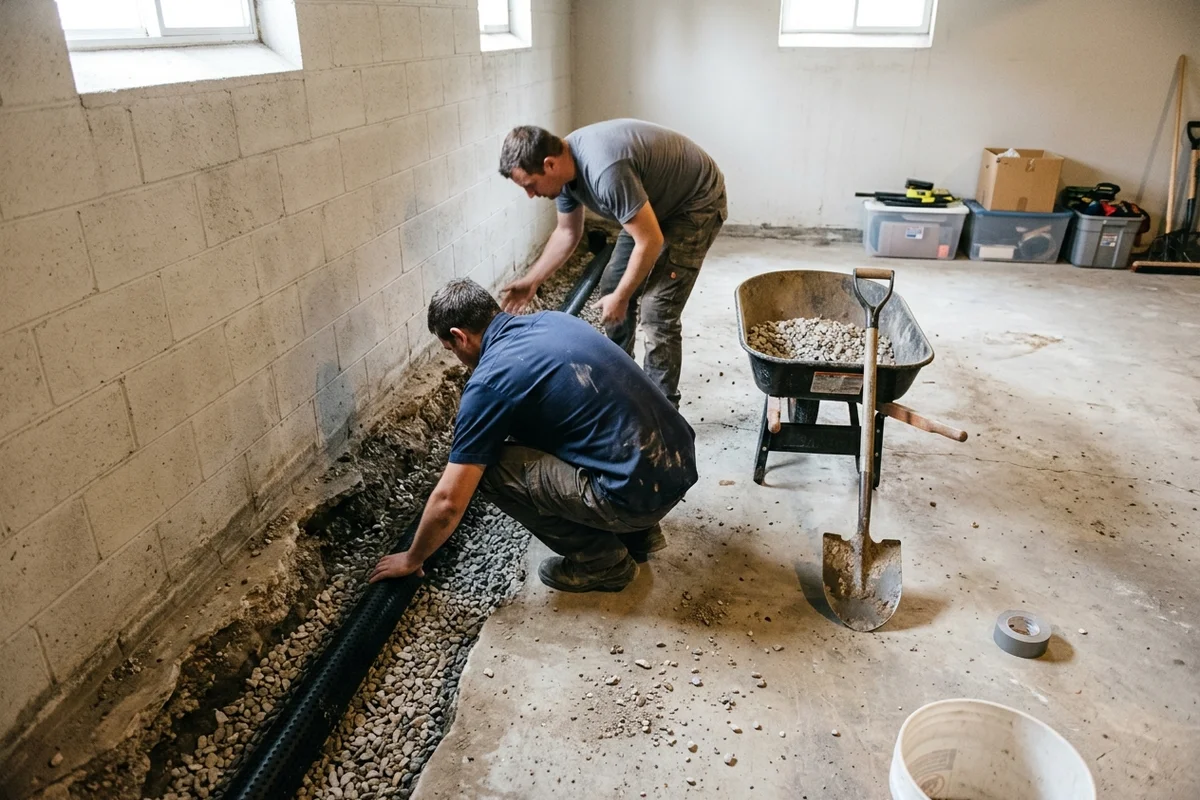
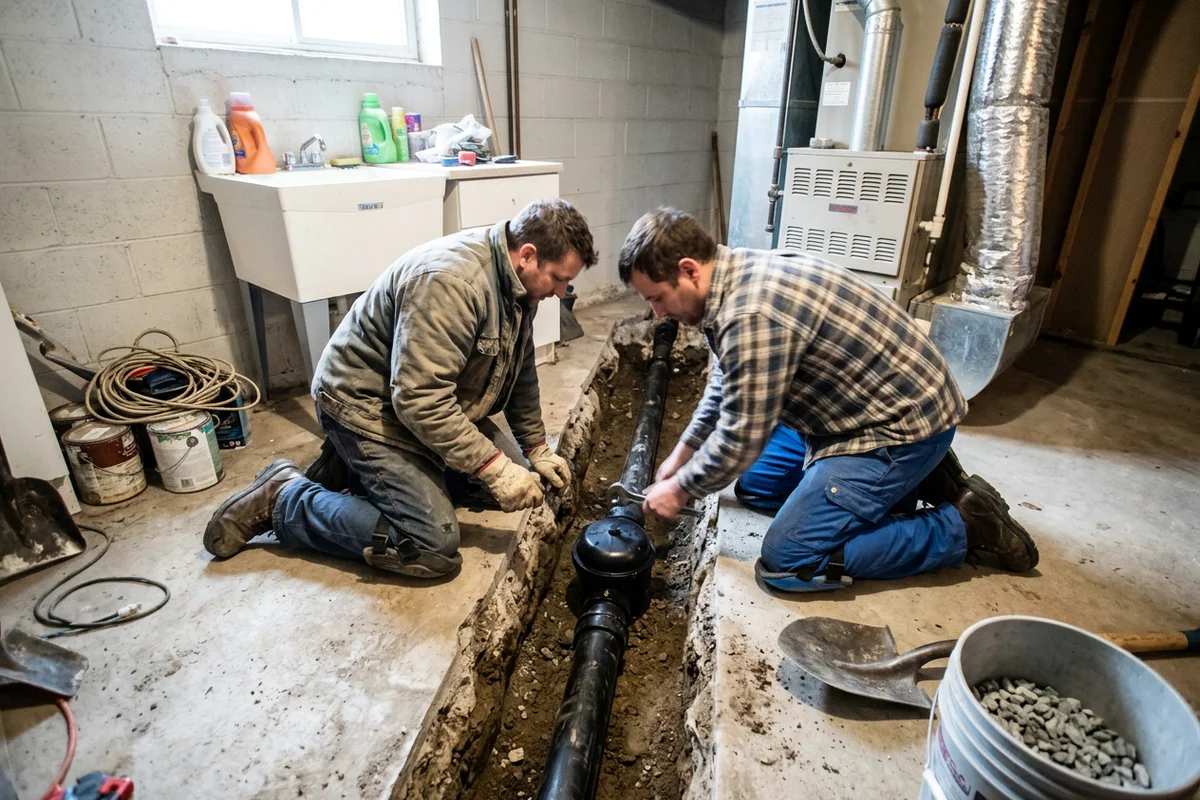
Basement Flood Toronto crew installing a normally open mainline backwater valve in a Toronto basement floor trench
Published Range // Backwater Valve Installation CAD

From

$2,500 CAD

per install

Full bands

Crisis Priority Triage Desk

Dispatch Active

Request a written CAD scope for Backwater Valve Installation. Dispatch desk calls back the same day with next steps and a documented IICRC S500 protocol.

Need something non-urgent? Send a Message to our GTA coordination desk.

  • 18 Years of Basement Flood Response
  • IICRC WRT, ASD, AMRT, CDS Certified
  • 24/7 Dispatch, 90-Minute Response
  • Insurance Direct-Billing
  • 5-Star Customer Satisfaction
  • WSIB + $5M Pollution Liability

How a Mainline Valve Keeps City Sewage Out of Your Basement

Basement Flood Toronto installs normally open mainline backwater valves on residential sanitary laterals across Toronto, backed by 18 years of GTA basement flood response since 2008 and registration as an installer under the Toronto Basement Flooding Protection Subsidy Program. Older Toronto neighbourhoods have combined and surcharging sewers that push sewage back up through floor drains during heavy storms. A mainline backwater valve closes when the flow reverses. We typically install the Mainline Fullport backwater valve, which has a clear cover so you can see the flap without opening it up.

We always start by camera-inspecting the lateral drain line. The next step is pulling the City of Toronto building permit, cutting the concrete floor, and installing a normally open valve with cleanout access to Ontario Building Code requirements. We then book the official city inspection before the new concrete goes back in place. Our office staff confirm your subsidy eligibility and file the paperwork on your behalf. The final award amount is decided entirely by the city.

Inside the valve housing sits a normally open flap. On a normal day, wastewater from your house flows right out past this gate to the city sewer. When the municipal system fills up and the flow reverses, floats lift the flap to form a tight seal. That keeps the sewage in the city pipe instead of spilling across your basement floor, which is the most common basement flood in Toronto we get called to after a summer storm.

Maintenance is a twice-a-year job. We recommend this seasonal checklist:

  • Open the access lid every spring and late fall.
  • Wipe down the rubber O-ring seal to ensure it stays watertight.
  • Run hot water and a bit of dish soap over the flap.
  • Clear away any scale, grit, or grease buildup.
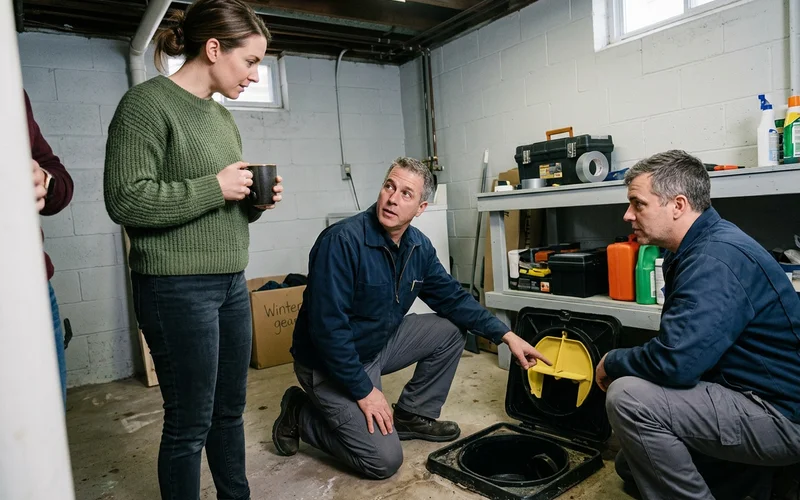
Two technicians showing a homeowner how to open the backwater valve access cover and check the flap in a Toronto basement

5 Reasons Toronto Homes Built Before 1970 Need a Backwater Valve

The 1920s semi-detached houses, wartime storey-and-a-halfs and post-war brick bungalows that make up much of Toronto’s older housing stock were plumbed for a different sewer system. We see the same vulnerabilities again and again in homes built before 1970, and they matter even more when the basement holds a rental apartment. The local infrastructure was not designed for the storm volumes the city sees today. Here are the five main reasons a valve upgrade is essential for older properties.

1. The Risk of Combined Sewers

Many pre-1970 neighbourhoods, particularly in the old City of Toronto, East York and York, still rely on a single pipe carrying both stormwater and household sewage. A heavy downpour quickly fills this shared line, and municipal sewer surcharge pushes the filthy flow backward. Combined sewer overflow events are the exact moments when unprotected basements fill up with waste.

2. Floor Drains Below Street Level

The basement floor drain is often the lowest physical opening connected to your sanitary lateral. Water naturally seeks the lowest point, making this drain the very first place backflow escapes into your home. We install the valve directly on the main line to cut off this entry point entirely.

3. Tree Roots and Clay Pipes

Older Toronto homes commonly have underground clay sewer pipes installed in short, five-foot sections. On mature tree-lined streets in Leaside, the Beaches and High Park, roots seek out the moisture at these joints, force their way inside and grow into thick, fibrous nets. These root blockages catch grease and debris, which raises the chance of a severe backup during a storm.

4. Outdated Foundation and Downspout Connections

Older homes frequently have weeping tile tied directly into the sanitary line. A severe storm adds massive amounts of groundwater to an already overflowing system. The permanent fix is pipe severance and capping, perfectly paired with a sump pump installation.

Toronto’s Property Standards Bylaw §629-20 also requires most downspouts to be disconnected from the City sewer system. Downspout disconnection reduces the sudden load on the municipal pipes during heavy rains. We always check these connections during our initial site visit.

5. History of Previous Flooding

The July 8 2013 storm, which caused an estimated $850M in damage, and the August 2018 Rockcliffe-Smythe flooding hit older housing stock the hardest. Homes that have backed up once are much more likely to back up again without a valve. We treat a previous flood as the clearest sign that your property needs protection before the next storm season.

Why the CCTV Drain Camera Inspection Comes Before Any Cutting

A high-definition CCTV drain camera is fed directly through your cleanout and sent down the lateral line. The real-time video feed shows the exact pipe route, its depth, and whether the material is aging cast iron, clay, or modern plastic. We watch the monitor closely alongside you to identify hidden dangers.

Seeing the inside of the pipe reveals problems you could never diagnose from the surface. The inspection helps us spot several common issues:

  • Tree root intrusions blocking the normal flow.
  • Offset joints where two pipe sections have slipped apart.
  • Corrosion or rust flakes inside older cast-iron lines.
  • Pipe “bellies”, which are low sagging spots where heavy waste pools together.

We use this crucial footage to decide the perfect location for your new valve. Installing a backwater device on a cracked, root-filled, or sagging lateral is exactly how these protective systems fail. The pipe must be structurally sound for the mechanical flap to operate securely. We always share the complete video footage with you before proposing any work. This transparent approach ensures you understand exactly what is happening beneath your basement floor.

How the City of Toronto’s up to $1,600 per valve Basement Flooding Subsidy Works

As of 2026, the City of Toronto Basement Flooding Protection Subsidy Program contributes up to $1,600 per backwater valve CAD toward a qualifying backwater valve, and up to $6,650 per property combined with a sump pump. The program has paid out more than $85M since 2011. It applies strictly to City of Toronto properties, so homes in Vaughan or Mississauga are not eligible, and it requires both a valid building permit and a formal city inspection. Basement Flood Toronto is a registered installer for this program.

Municipal building inspectors will verify that the valve is a “normally open” model, which is a strict requirement for local sanitary drains. They also check that the new installation includes a permanently accessible inspection chamber at floor level. We confirm your eligibility before the concrete is ever cut, file the detailed paperwork, and book this mandatory inspection.

Here is a quick breakdown of the potential assistance available:

Protection UpgradeMaximum Subsidy Amount
Backwater Valve OnlyUp to $1,600 Per Backwater Valve
Valve & Sump Pump ComboUp to $6,650 total per property

The final monetary award is decided exclusively by the city after the inspection passes, and we never guarantee the payout. Homeowners dealing with a messy backup right now should call for sewage backup cleanup first and plan to install the valve immediately after. If your property also needs foundation drain disconnection to meet code, see our complete guide on sump pump installation.

4 Reasons Homeowners Wait for a Second Backup, and Why It Costs More

Many property owners hesitate to upgrade their plumbing until disaster strikes twice. We hear a few common objections from folks trying to delay this essential project. The truth is that putting off the installation almost always costs more in the long run.

“It only happened once, in a freak storm.”

In our professional opinion, there is no such thing as a one-off backup on a surcharging sewer. The underground pipe that carried raw sewage into your basement is still fully connected, and big storms are getting more frequent. The cleanup bill from a single flood usually costs more than the entire valve installation.

“I don’t want my basement floor dug up.”

The required trench is actually quite small and located directly on the lateral pipe, usually near the front foundation wall. We typically complete the on-site work in just one working day. The final concrete patch is finished flush with your floor and features a neat, flat access lid.

“I’ve heard valves cause other problems.”

Poorly placed or normally closed valves certainly can cause drainage issues. A normally open mainline valve, installed after a camera inspection and approved by the city inspector, is the standard approach for Toronto homes. We do not install cheap “flood checks” designed only for single floor drains. We protect the whole lateral instead.

“The subsidy paperwork looks complicated.”

The municipal application is detailed, which is exactly why the Basement Flood Toronto office team handles it. We file the paperwork and coordinate directly with the city inspectors on your behalf. You sign the final forms. A complete application avoids the back-and-forth that slows down a city decision.

How Our Valve Installs Compare to a Typical Quote

What You GetTypical ProviderBasement Flood Toronto
Camera inspection before cuttingNot always includedCCTV drain camera on every job, footage shared with you
Valve typeVaries, sometimes a floor-drain flood checkNormally open mainline valve with cleanout access
Permit and city inspectionOften left to the homeownerCity of Toronto permit and inspection booked by us
Subsidy paperworkHomeowner files aloneRegistered installer, paperwork filed for you
PricingQuoted after a site visit$2,500-$5,000 CAD published on this page
Warranty and aftercareVariesWritten workmanship warranty (1-5 years) plus maintenance walkthrough

The valve, the permit, the city inspection and the subsidy paperwork are all handled in one call. Searching for backwater valve help near you? Our crews work out of Toronto and cover Etobicoke, North York and Scarborough inside the same 90-minute dispatch window, from Cliffside to Humber Bay.

Book the drain camera inspection first, and we quote the valve in writing before any concrete is cut. Don’t wait until the next heavy rainstorm to find out your basement is vulnerable.
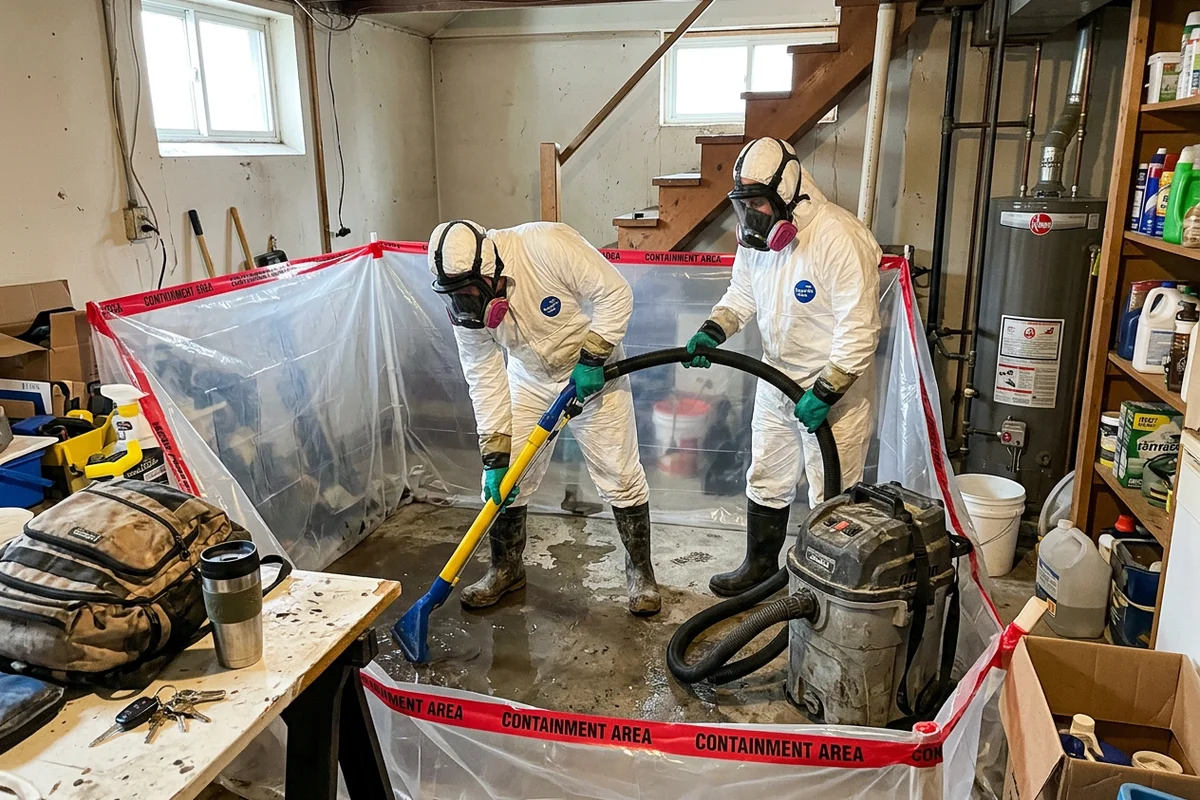
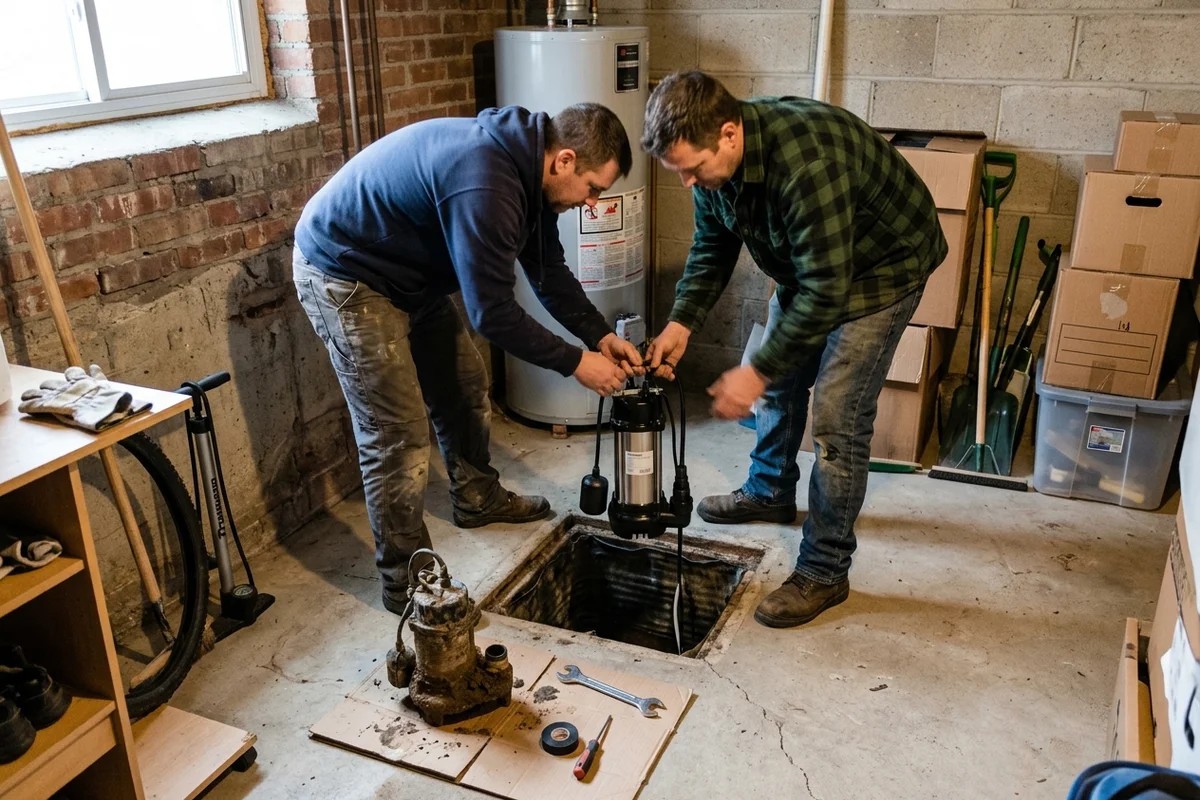
CAD Field Tariffs // Published Before You Call

How Much Does Backwater Valve Installation Cost in Toronto?

A mainline backwater valve is $2,500-$5,000 CAD installed (2026 pricing), including camera inspection, permit, floor cutting, the valve and concrete restoration. On eligible City of Toronto properties the BFPSP can contribute up to $1,600 per backwater valve (max 2 devices), or up to $6,650 total when combined with a sump pump and battery backup (80% of invoiced cost, capped).

Published Scope Bands

per install
Backwater Valve Installation (mainline sewer protection) up to $1,600 per backwater valve Subsidy $2,500 - $5,000 CAD
Sump Pump Installation (often paired, subsidy eligible) up to $1,600 per backwater valve Subsidy $1,200 - $2,500 CAD
Sewage Backup Cleanup Cat 3 (if a backup already happened) $2,000 - $10,000 CAD

Toronto Subsidy Protocol: Up to $1,600 per backwater valve (max 2 devices) under the Toronto Basement Flooding Protection Subsidy Program, as expanded May 1, 2026. Combined with a sump pump, up to $2,250 (sump) + $300 (battery backup), capped at $6,650 total per property or 80% of invoiced cost (whichever is lower). We confirm eligibility and file the paperwork. The award is decided by the city after inspection. City of Toronto properties only. See [toronto.ca BFPSP](https://www.toronto.ca/services-payments/water-environment/managing-rain-melted-snow/basement-flooding/basement-flooding-protection-subsidy-program/).

What Moves the Price

Cost Factors
  • Depth and location of the lateral

    Shallow laterals near the front wall are simpler. Deep pipes or laterals under finished rooms or stairs add excavation time.

  • Pipe condition

    If the camera finds cracked cast iron, root intrusion or collapsed clay, repairs may be needed before a valve can be installed properly.

  • Finished floor

    Tile, hardwood or built-ins over the lateral add removal and reinstatement lines.

  • Downspout and foundation drain work

    Some installs need a foundation drain disconnected from the sanitary line, which often means pairing the valve with a sump pump.

Every quote itemises emergency fee, extraction, drying, cleanup, and permanent solution separately. Dispatch fee waived on same-visit extraction. Insurance direct-billing available on covered claims, subject to policy limits and adjuster approval.

Incident Timeline // Protocol Sequence

From Drain Camera to City Sign-Off: The 5-Step Install Process

The valve itself is a small part. What makes it work for decades is the inspection, placement and approval around it.

  1. STEP 01

    CCTV camera inspection

    A drain camera runs through the sanitary lateral to find the pipe route, depth, material and condition, including cracks, roots or sags.

  2. STEP 02

    Permit and subsidy file

    We apply for the City of Toronto plumbing permit and start the subsidy paperwork where the property is eligible.

  3. STEP 03

    Floor cut and excavation

    The slab is saw-cut and the trench dug to the lateral at the planned valve location, with dust control and floor protection.

  4. STEP 04

    Valve installation

    A normally open mainline backwater valve is installed in the lateral with an access cover so the flap can be inspected and cleaned.

  5. STEP 05

    City inspection and restoration

    The city inspector approves the open installation, then the trench is backfilled, concrete restored and you get a maintenance walkthrough.

Typical install: 1 working day on site, plus permit and inspection scheduling

Risk Reversal // Before Any Equipment Goes Down IN WRITING

Backwater Valve Installation: Price Confirmed Before We Start, Warranty After We Finish

This job is priced inside the published CAD bands above, itemised before equipment goes down, and closes with a written workmanship warranty. Insurance-covered claims are billed directly to your insurer, subject to policy limits and adjuster approval.

Field Terminal // Self-Serve Estimator FREE

Try Our Free Toronto Flood Protection Subsidy Calculator

See installed cost ranges for a sump pump, battery backup and backwater valve, and the maximum Toronto subsidy that could apply.

Open Calculator
Technical Specifications // Protocol Integrity

6 Reasons Toronto Homeowners Trust Our Crew With Their Sewer Lateral

18 YRS

18 Years of Basement Flood Response Experience

We have cleaned up the sewage backups that valves prevent, block by block, since 2008.

CCTV FIRST

Camera Before Cutting

Every install starts with a CCTV inspection so the valve goes in the right place on a pipe that can take it.

up to $1,600 per valve CAD

Registered Subsidy Installer

We confirm eligibility, file the paperwork and book the inspection. The award is decided by the city.

PERMITTED

Permit and Inspection Handled

City of Toronto permit and inspection are part of our scope, not left for you to arrange.

NORMALLY OPEN

Normally Open Design

We install normally open mainline valves so your drains flow freely until the sewer surcharges.

OWNER READY

Maintenance Walkthrough

You learn how to open the cleanout, check the flap and keep the valve working, with a written reminder schedule.

Verified Case Dossiers // GTA Residences

What 3 Homeowners in Scarborough, Etobicoke and Oakwood-Vaughan Said

Paul D. Cliffside, Scarborough
"Camera inspection first, then permit, then the mainline valve. $3,800 total and the city inspector signed off before the concrete went back."
Nadia K. Oakwood-Vaughan
"Our 1928 house had two sewer backups. They installed a normally open valve for $4,200 and handled the subsidy application. Eligibility confirmed, cheque still pending at the time of writing."
Chris Y. Humber Bay, Etobicoke
"They showed me how to open the cleanout and check the flap. Install took one day and plumbing was back on by dinner."
FAQ Archive // Operational Guidelines

11 Questions About Valve Cost, Permits and the Toronto Subsidy

How much does a backwater valve cost in Toronto?

A mainline backwater valve installation runs $2,500-$5,000 CAD. That covers the CCTV camera inspection, the City of Toronto permit, saw-cutting and excavating the basement floor, the normally open valve with an access cover, the city inspection, and backfill and concrete restoration. The price moves with the depth and location of your sanitary lateral, the condition of the pipe, and what is on top of it, since tile, hardwood or a finished room above the lateral adds removal and reinstatement. On eligible City of Toronto properties, the Basement Flooding Protection Subsidy Program (expanded May 1, 2026) can contribute up to $1,600 per backwater valve (max 2 devices), 80% of invoiced cost, subject to city approval after inspection. You get the full cost in writing and an honest estimate of the subsidy before you commit.

How much is the backwater valve subsidy?

Up to $1,600 Per Backwater Valve toward a qualifying backwater valve under the Toronto Basement Flooding Protection Subsidy Program. Combined with a qualifying sump pump, the program pays up to $6,650 per property. It applies to City of Toronto properties only. The program has conditions around permits, inspections and installation standards, and the award is decided by the city after inspection, so we confirm eligibility first and never guarantee the payment. As a registered installer we file the paperwork and book the inspection so the application is complete.

Do I need a permit for a backwater valve?

Yes. Installing a backwater valve on the sanitary lateral is plumbing work that requires a City of Toronto permit and an inspection before the floor is closed. The subsidy also requires the permit and inspection. We apply for the permit, schedule the inspection, and do not pour concrete until the inspector has approved the open installation.

Can I use my plumbing when the valve is closed?

Limit it. When the city sewer surcharges, the valve closes to stop sewage coming in, which also means your own wastewater cannot leave. During a heavy storm, avoid running the washing machine, dishwasher or long showers, and flush sparingly. Once the surcharge passes, the valve opens again on its own.

Does a backwater valve stop groundwater seepage?

No. A backwater valve stops sewage from flowing backward through the sanitary line. Groundwater coming through the foundation needs waterproofing or a working sump pump system. Many older Toronto homes benefit from both.

How long does backwater valve installation take?

Most mainline backwater valve installations take one working day on site, and plumbing is usually back in service the same evening. Permit approval and City of Toronto inspection scheduling add lead time before and during the job.

How often does the valve need cleaning?

Check it once or twice a year and after major storms. Open the access cover, make sure the flap moves freely and remove any debris. We show you how on install day and leave written instructions.

What is the difference between a normally open and normally closed valve?

A normally open valve stays open so your drains flow and venting works normally, and closes only when flow reverses. Normally closed valves can restrict flow and venting. We install normally open mainline valves because they suit Toronto homes and code requirements.

What happens if the camera finds a damaged sewer lateral?

The CCTV inspection shows it before any concrete is cut. Cracked cast iron, root intrusion or collapsed clay may need repair before a backwater valve can seal properly. We show you the footage and quote any lateral repair separately from the $2,500-$5,000 CAD valve installation.

Does an older Toronto home need a backwater valve?

Homes built before 1970 on combined or surcharging sewers are the most likely to need one, especially after a first backup. In Cliffside, Oakwood-Vaughan and Humber Bay we regularly install mainline valves in pre-1970 houses after a first or second sewer backup. A camera inspection confirms whether the lateral can take a valve.

Can a backwater valve and sump pump be installed at the same time?

Yes, and many older Toronto homes need both. When the foundation drain (weeping tile) is tied into the sanitary line, it is severed and capped, then redirected to a new sump pump so groundwater no longer loads the sewer. On City of Toronto properties the BFPSP can contribute up to $6,650 combined for both ($1,600 per backwater valve, up to 2 devices, plus $2,250 for a sump pump and $300 for battery backup), 80% of invoiced cost, subject to city approval after inspection.

Question not covered here? Call (647) 277-6993 Send a Message

Dispatch desk open 24/7 across the GTA

One Backup Is Enough. Close the Door on the Next One.

Book a camera inspection and subsidy check, and you get the valve location, the full CAD price and the eligible city contribution in writing.

  • Emergency fee quoted upfront
  • Written CAD scope first
  • 1-5 year written warranty

Short Dispatch Intake

DISPATCH ACTIVE

Four fields and the dispatch desk calls you back. Your page is attached so we know which service you were reading about.

Need something non-urgent? Send a Message to our GTA coordination desk.

Call (647) 277-6993 CAD Scope Intake